
Sitting on the Home Affairs Select Committee constantly offers new opportunities and challenges. As MPs from across the parties, our job is to scrutinise the Home Office, including the workings of our immigration and asylum system. Our latest fact-finding exercise was a visit to Denmark, whose tough immigration policies have drawn the attention of other European nations, as well as our Home Secretary. We wanted to understand their approach towards those coming to work or study, and those seeking asylum largely via irregular routes.
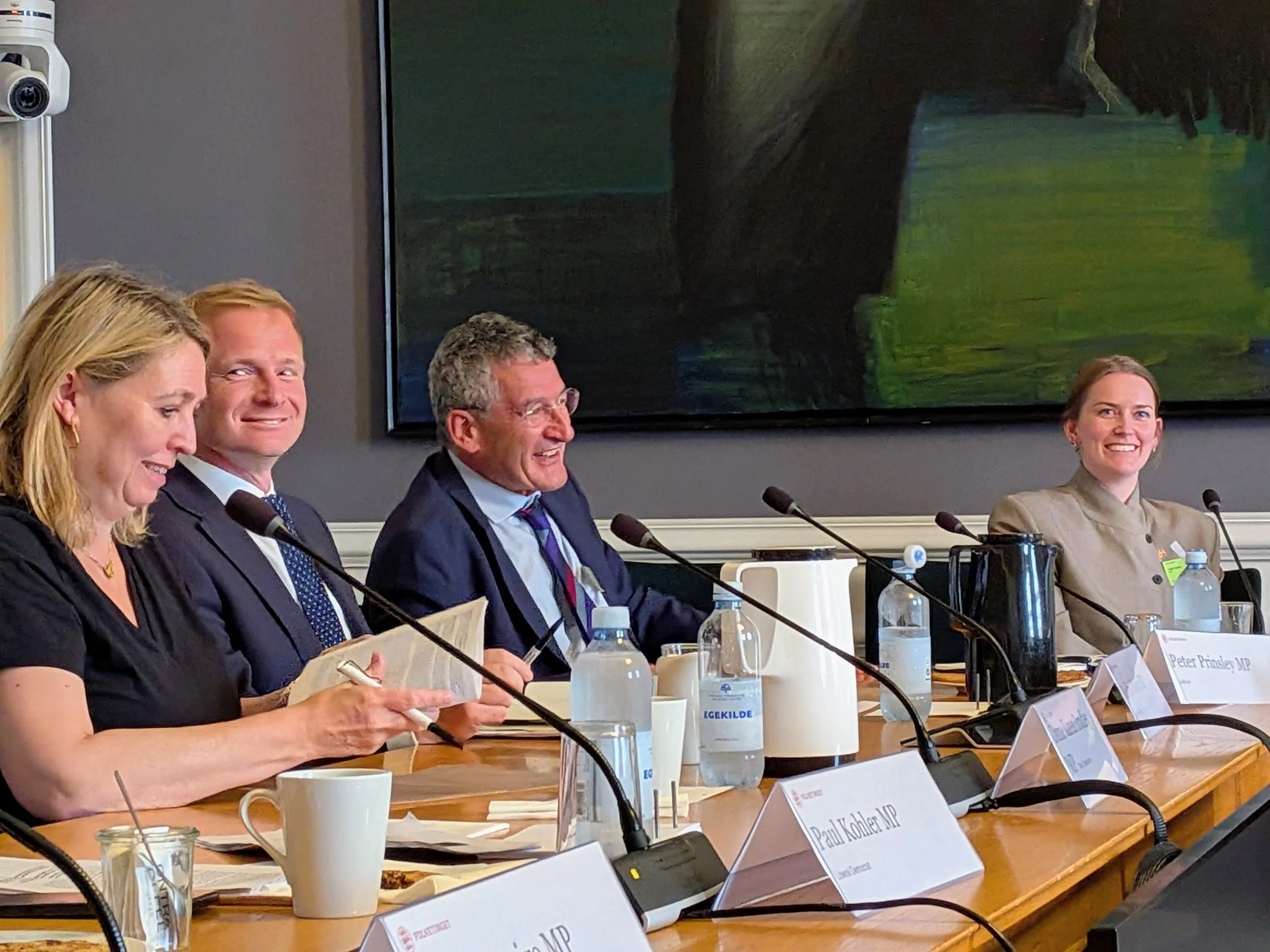
Meeting with the Danish Immigration and Integration Committee
Although UK net migration has almost halved over the past twelve months, small-boat arrivals have fallen by almost 50% so far this year, and asylum-related returns have reached their highest level since comparable Home Office records began in 2010, arguments about immigration continue to capture public interest.
Asylum seekers make up about 10% of inward migration to the UK. Our Home Secretary, Shabana Mahmood, announced that she wished to learn lessons from Denmark ahead of presenting her Immigration and Asylum Bill to Parliament. With the bill now being debated, we were similarly keen to explore what the UK could learn. I discovered much to admire and much that we share, as well as clear differences.
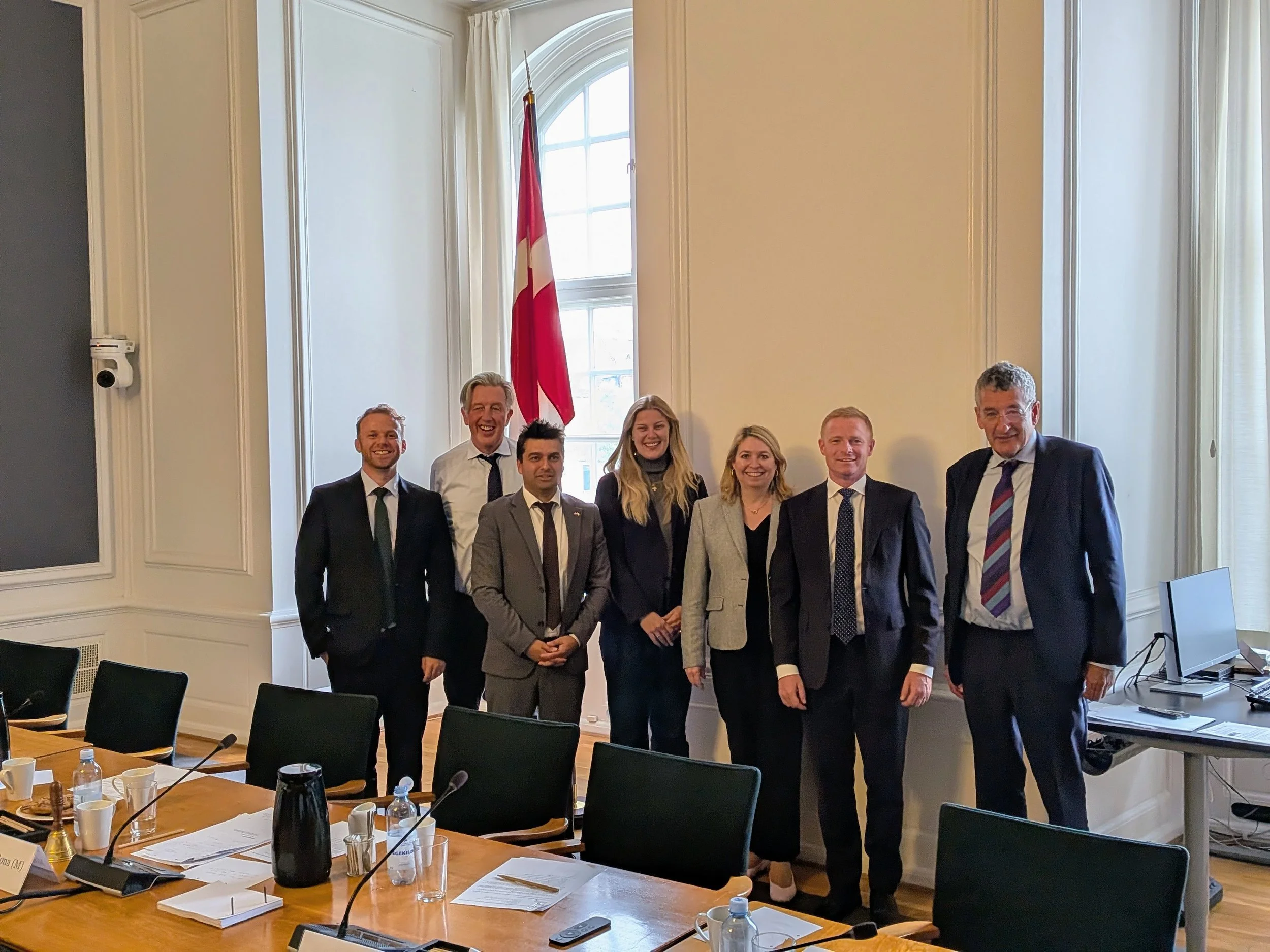
Meeting with Minister for Immigration and Integration
Denmark has a population of around 6 million, so unsurprisingly its intake of asylum seekers is considerably smaller. In 2025, the UK received 101,911 asylum applications, still lower than the average EU rate. Denmark received a record low 1,961 applications, down from 2,333 the previous year. Their aim, they say, is to bring that number to zero.
They hope to achieve this by making Denmark a less attractive destination through temporary status, tighter rules on residence permit extensions, faster asylum decisions, reduced family reunification rights and returning people to their home country where it is deemed safe. Danish is also a hard language to learn, and expectations around integration are demanding.
It was striking that immigration in Denmark is not seen as particularly party political. There is broad agreement that it is an issue which needs to be tackled. Prime Minister Mette Frederiksen has been in power since 2019 and leads the centre-left Social Democrats in a coalition government. The nature of Danish politics requires considerable cross-party cooperation, and it was notable to see the shared pragmatism with which they approach the subject. It is not something I believe we could replicate here.
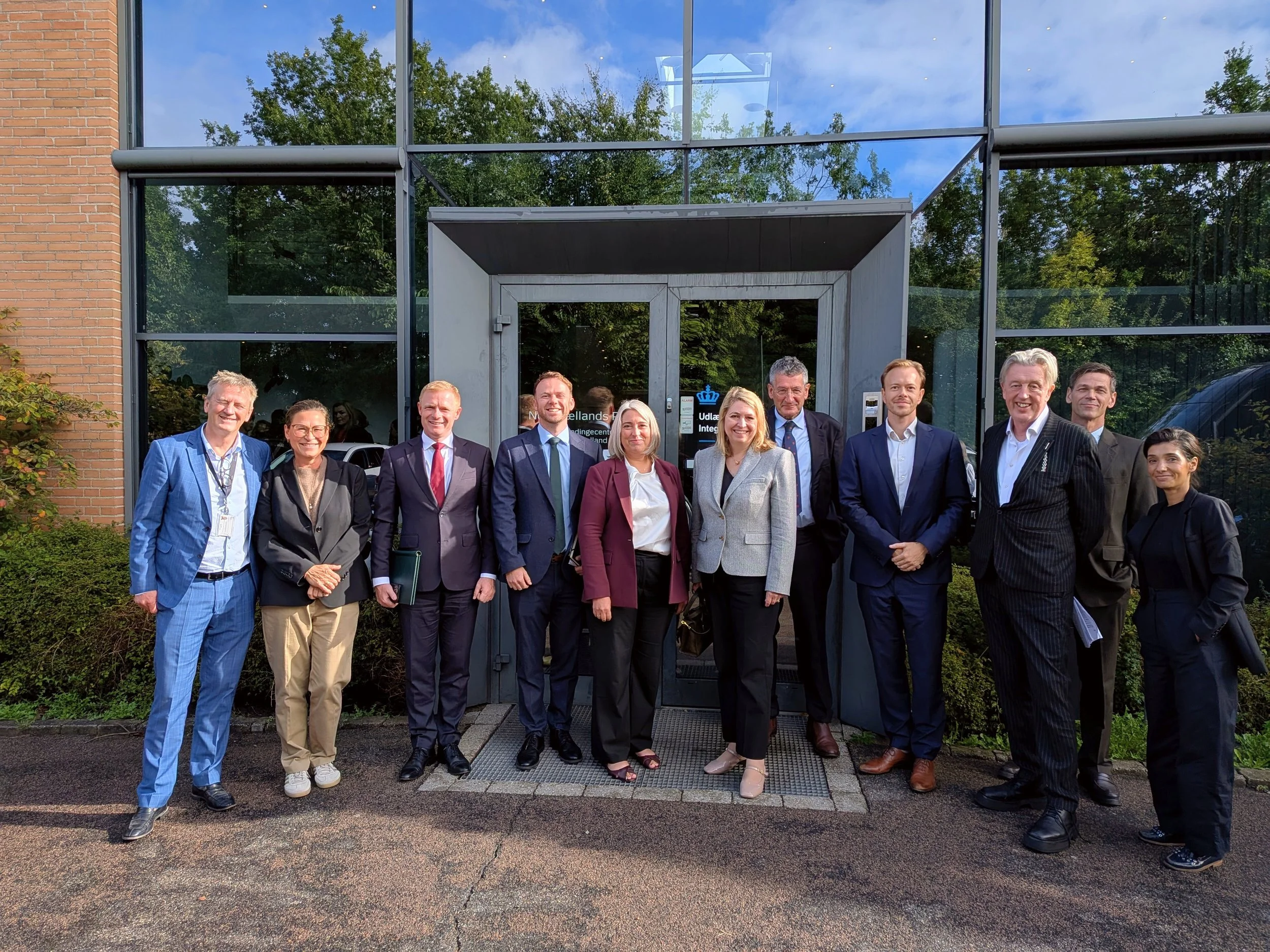
Meeting with the Danish Returns Agency
I was impressed by the organisation of the operation. We saw an effective system, properly resourced, with professional staff. People are treated as individuals, rather than numbers on a spreadsheet, and the process appeared humane and ran smoothly. The same was true in Malmö, Sweden’s third-largest city, where we spent our final day after crossing the Øresund Bridge.
Sweden has also adopted tougher immigration rules, shifting away from an asylum-driven model towards a greater focus on labour immigration. Though asylum claims remain low, Sweden still wishes to attract workers who will contribute to its economy and society. Like Denmark, salary expectations are high for those wishing to stay permanently, at around 90% of the national average salary.

Tour of Sjælsmark Returns Centre
Although we had a positive experience, the political rhetoric towards migrants is growing increasingly hostile.
What was perhaps most remarkable was how out of proportion the antipathy towards immigration appeared compared with the relatively small numbers arriving in Denmark. Some of the attitudes we encountered were difficult to take in. Political figures were happy to say they did not want any Muslims in their country.
It is a different society. Denmark does not share our vibrant history of migration, or the rich diversity of communities built over decades by people of all faiths and none who have made the UK their home. I wish we spoke more loudly about the benefits these communities bring.
I do think we can learn from the Danes, but any changes must be implemented effectively and humanely.
We should consider changes that reduce the attractiveness of the UK as a destination for irregular migration. At the same time, the UK should continue to offer sanctuary to its fair share of people fleeing persecution and war. The two are different and must be treated accordingly.
Ultimately, the solution for European countries must involve greater cooperation. We need a system that treats people fairly while maintaining control and allowing us to swiftly remove those with no right to remain. The arguments are complex, but I am hopeful we can reach a point where the animosity is taken out of the debate and create a system that is fair, capable and compassionate.
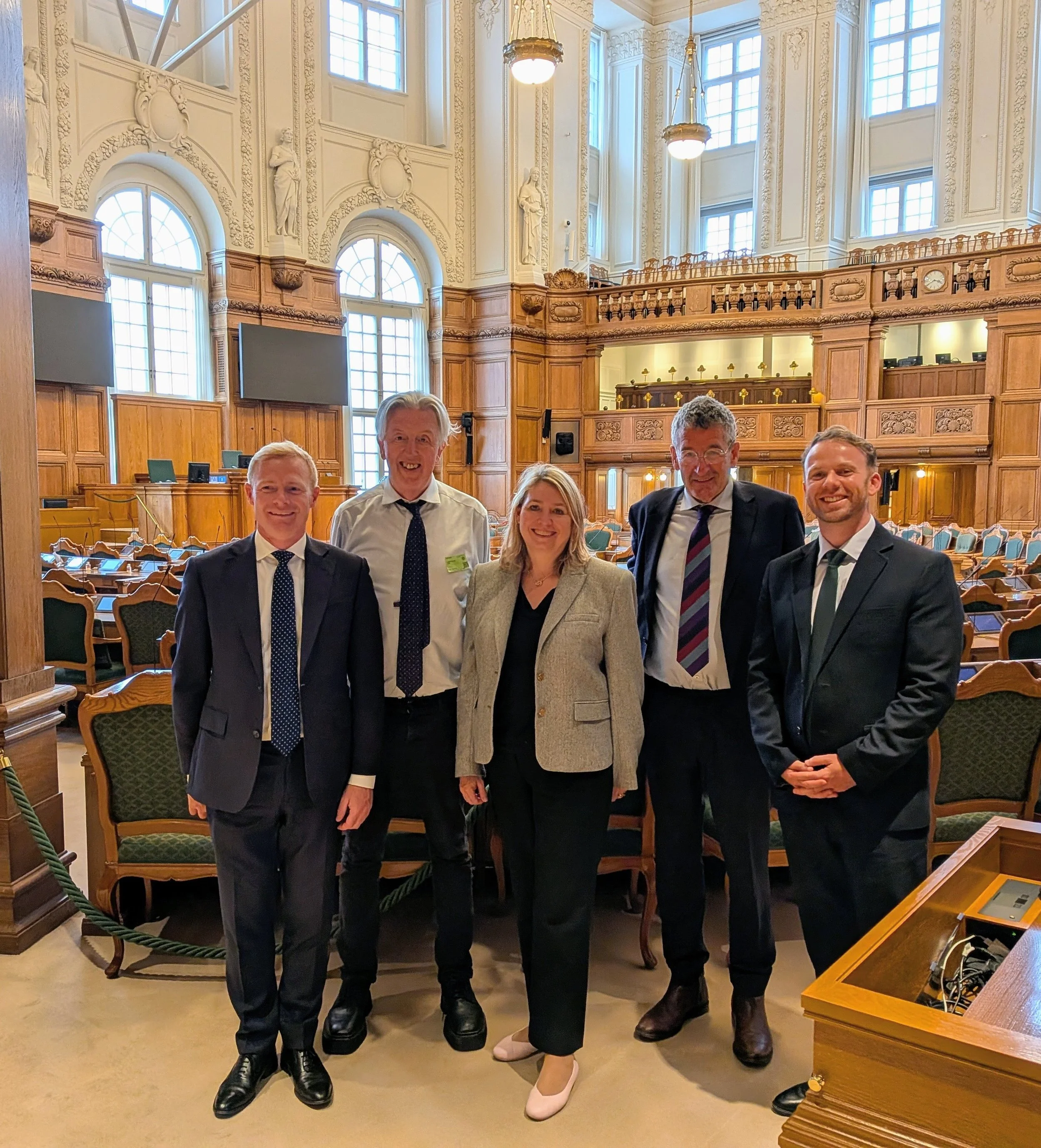
Tour of the Danish Parliament
